
Need Installation?
Book a licensed install
Book a licensed EV charger install

Your EV charger needs surge protection, and under NEC 2023 Article 230.67(A), most new or upgraded home electrical services already require it at the panel level. Layered protection, meaning a service-panel SPD plus a charger-level SPD is now the standard that manufacturers and electrical contractors recommend.
Here’s your next move:
EV charger surge protection combines a code requirement (NEC 230.67(A)) with an industry best practice (layered Type 1/2 SPDs), and skipping either layer leaves your charger and vehicle exposed to microsecond transients that breakers can’t stop.
| Point | Details |
|---|---|
| Code already requires it | NEC 2023 Article 230.67(A) mandates surge protection for new or replaced services feeding homes. |
| Layer your protection | Pair a service-panel SPD (Type 1/2) with a charger-level SPD for full coverage. |
| Cost is minor | SPD hardware typically adds less than 10% to total charger installation cost. |
| OEM protection isn’t enough | Built-in charger protection is usually undersized for major grid or lightning events. |
| Chargeprodirect EV chargers | Chargeprodirect offers EVIQO Level 2 chargers, and this guide covers how to choose surge protection for your site. |
The short answer is yes, at least at the service entrance. NEC 2023 Article 230.67(A) requires surge protection for all new and replaced electrical services feeding dwelling units, which covers most home EV charger installations happening right now. If you’re adding a new circuit for a Level 2 charger or upgrading your panel, this requirement almost certainly applies to your project.
A few standards fill in the rest of the picture:
Here’s a number worth remembering: the code shift happened in 2023, meaning any home wiring inspected or permitted after that update should already reflect this surge protection requirement. Beyond code, your local Authority Having Jurisdiction (AHJ), your insurance carrier, and your charger’s warranty terms may each add their own surge protection expectations on top of NEC’s floor.
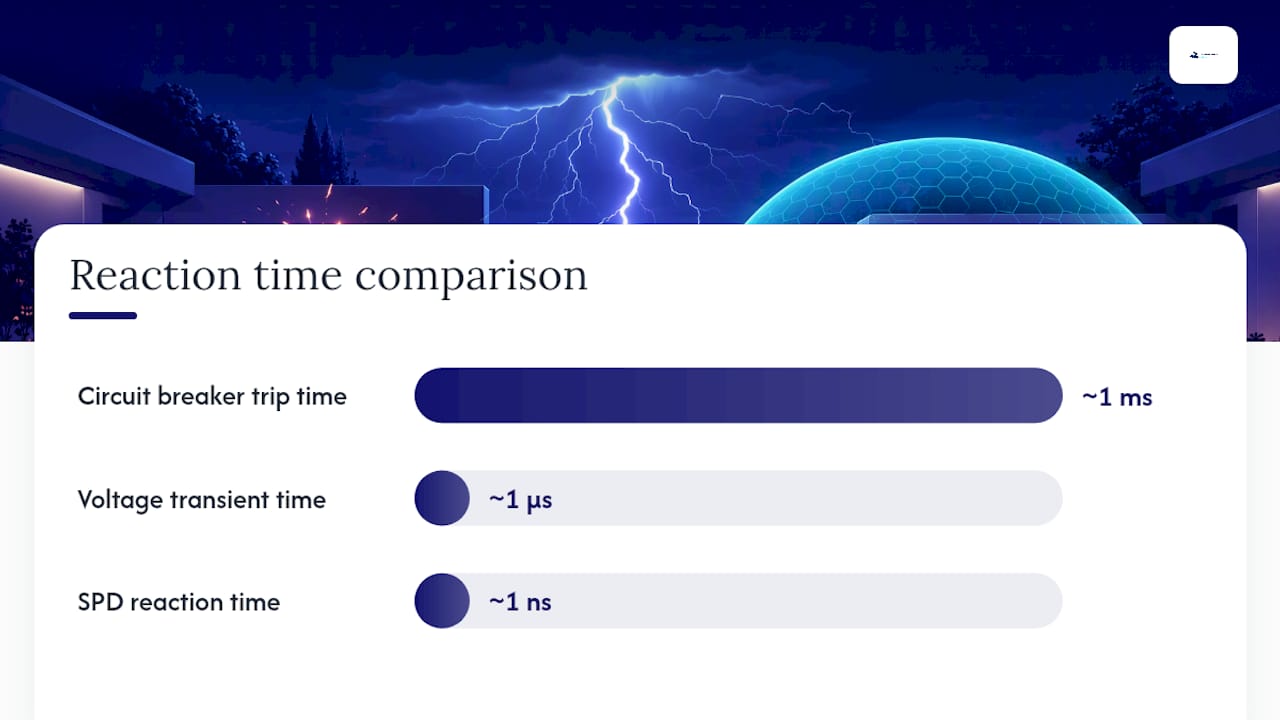
A circuit breaker trips in milliseconds. A voltage transient from a lightning strike or utility switching event happens in microseconds, thousands of times faster. Your breaker simply cannot react before the damage is done, which is exactly why SPDs exist as a separate layer of defense that reacts in nanoseconds.
What’s actually at risk when a surge hits unprotected equipment:
The math favors protection. SPDs typically add less than 10% to your total charger installation cost, a small premium against the price of replacing a fried onboard charger or losing a commercial charging station for days. Common triggers include lightning induced surges, utility grid switching, and transformer faults, none of which announce themselves in advance.
The layered, two-stage approach is what electrical engineers actually recommend: a primary SPD (Type 1 or combined Type 1+2) at your main service panel, paired with a second SPD closer to the charger itself. The panel-level device catches large-scale grid events; the charger-level device handles smaller transients generated locally, including ones from your own home’s motors and switching loads.
Locations worth protecting, depending on your site:
Pro Tip: Keep SPD lead lengths under half a meter between the device and the busbar, and make sure your grounding system reads under 10 ohms. Long leads add inductive voltage that can quietly defeat an otherwise well-specified SPD.
Indoor garage installs generally see lower exposure than outdoor commercial pedestals, which face more direct lightning risk and grid fluctuation, so outdoor and commercial sites usually warrant the fuller layered setup.
Type 1 SPDs handle the biggest external events and belong at the service entrance, particularly in areas with higher lightning exposure. Type 2 covers everyday internal transients at subpanels and charger circuits. Many residential installs now use a combined Type 1+2 device at the panel for simplicity, then add Type 2 or Type 3 protection at the charger.
When you’re reading a manufacturer’s data sheet, check these specs before buying anything:
For DC fast chargers, look for a DC-side Up rating of 2.5 kV or lower, matching IEC 61851-23 guidance. Also check whether the unit offers remote signaling or an end-of-life dry contact, a feature that matters far more on commercial sites where nobody’s walking by to notice a blown indicator light.
Most Level 2 chargers include some internal surge suppression, but it’s typically undersized for anything beyond minor internal transients. Industry guidance treats this internal protection as a baseline, not a substitute for real external SPDs, especially in commercial settings or homes in higher lightning zones.
Don’t rely on OEM internal protection alone if your site sees frequent grid instability, storms, or high equipment value at stake. Read your charger’s warranty closely, too. Many manufacturers explicitly exclude surge damage from coverage, meaning that “protected” feeling from built-in components can be misleading if a real event ever hits.
Work through this checklist before buying:
Before your electrician mounts anything, ask about lead length between the SPD and busbar, your grounding resistance reading, and how the SPD’s overcurrent protection coordinates with your upstream breaker. If your site uses networked chargers, ask whether communication lines (Ethernet, RS-485) need their own signal-line SPD, and whether alerts can feed into your OCPP platform or building management system so failures don’t go unnoticed.
SPD hardware typically adds less than 10% to your total installation cost, a modest line item against the cost of replacing charger electronics or an onboard vehicle charger. Installation usually adds a short amount of time to your electrician’s visit, since it involves fitting the SPD alongside your panel or charger wiring and coordinating with your AHJ on permit requirements where applicable.
Maintenance is straightforward but easy to ignore:
The code and the standards line up cleanly. NEC 2023 requires service-entrance surge protection for dwelling units, and IEC 61851-23 layers on DC-side protection requirements for fast chargers. Commercial and public charging sites often face additional layers of expectation from insurers and AHJs, given the higher equipment value and exposure involved.
Industry commentary around the 2023 code cycle points to installing SPDs at the main distribution panel as the single highest-leverage move, since it protects every piece of downstream equipment at once rather than leaving each device to fend for itself. That logic extends naturally to the charger-level SPD as a second layer, catching what the panel-level device wasn’t positioned to stop.
Document your SPD installation, including model numbers and ratings, since that paperwork can matter for insurance claims and AHJ inspections down the line.
For most homeowners, we recommend pairing a service-panel SPD with a charger-level SPD as standard practice, not an upgrade. It’s a small addition to an already-planned electrical project, and it closes the gap that internal charger protection alone leaves open. For commercial sites, this layered setup moves from “recommended” to close to essential once you factor in insurance requirements and the cost of downtime.
If you’re not sure which charger or SPD configuration fits your situation, browse our Level 2 charger collection and review the SPD checklist above with your electrician to match surge protection to your site’s exposure and panel setup.
Use this guide and our charger listings to match an EV charger to your panel and amperage, then plan surge protection with your electrician.
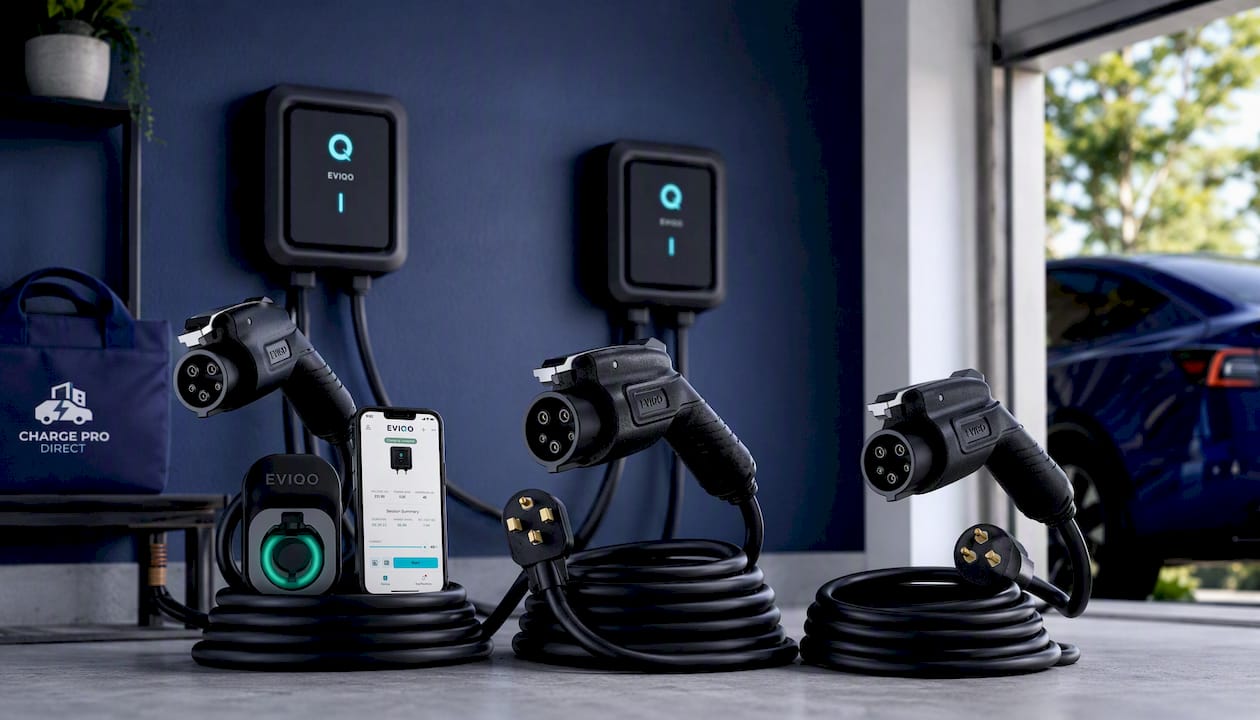
If you’re shopping for a plug-in option, the EVIQO Level 2 EV Charger 40A is a popular fit for NEMA 14-50 outlets, while the EVIQO 48A hardwired model suits homeowners who want a permanent, higher-capacity install. The EVIQO 48A (11.5kW) NEMA 14-50 model is another plug-in option. On a NEMA 14-50 outlet, set it to 40A. The full 48A requires hardwiring on a 60A circuit.
Not sure which charger matches your panel and vehicle? Run it through our EV Charger Finder, and review the SPD checklist above with your electrician. After you order, you can get a free, no obligation installation quote online, right from your phone. Charger installation provided by Treehouse.
Yes. NEC 2023 Article 230.67(A) requires surge protection for new or replaced home electrical services, which covers most Level 2 charger installations, and industry experts recommend adding a charger-level SPD as a second layer.
Yes, with proper surge protection in place. A layered SPD setup at the panel and charger reduces the risk of an overnight grid event or storm damaging your vehicle or charger while you sleep.
Most EV chargers, Tesla included, include some internal surge suppression, but it’s generally sized for minor transients rather than major grid or lightning events. External SPDs remain the recommended backup layer.
Install a Type 1 or Type 1+2 SPD at your main service panel, then add a second SPD at the charger itself, and make sure grounding resistance stays under 10 ohms for both to work as designed.