
Need Installation?
Book a licensed install
Book a licensed EV charger install

Home renewable energy storage is defined as any system that captures electricity from solar panels, wind, or the grid and holds it for use when you need it most. Lithium iron phosphate (LFP) batteries are the dominant technology for residential storage in 2026, but thermal, mechanical, and alternative electrochemical options each serve specific household needs. Choosing the right type of home renewable energy storage determines how well your home handles outages, reduces utility bills, and supports long-term energy independence. This guide breaks down every major storage type so you can match the right solution to your actual power situation.
LFP batteries are the value standard for new home installations, replacing lead-acid as the go-to chemistry for residential energy storage. They offer a combination of safety, long cycle life, and competitive cost that no other battery type currently matches for everyday home use. An LFP cell is far less prone to thermal runaway than older lithium chemistries, which makes it a safer choice for garages, basements, and utility rooms.
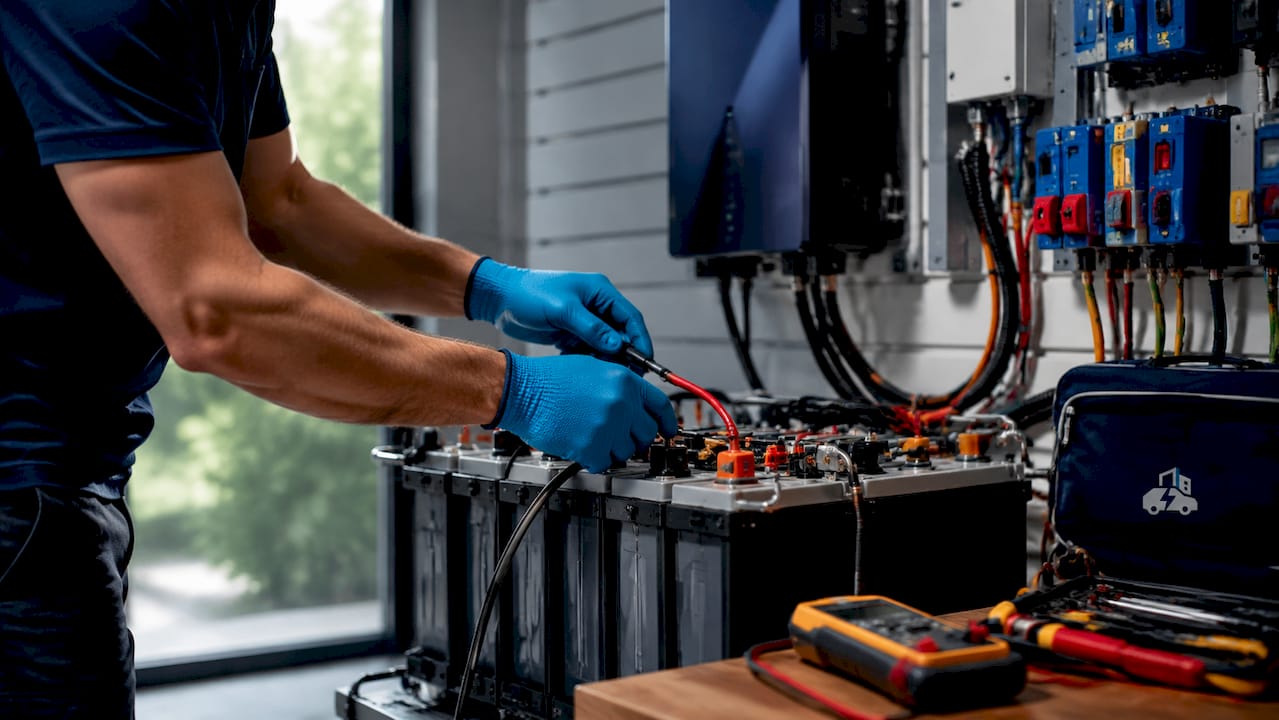
Most residential LFP systems are sized between 5 kWh and 30 kWh, with modular designs that let you add capacity as your needs grow. They charge from solar panels during the day, from the grid during off-peak hours, or from both sources simultaneously. This flexibility is what makes them the backbone of most home energy storage options today.
Key advantages of LFP batteries for homeowners:
The integrated software ecosystem inside modern LFP systems is just as important as the battery cells themselves. Features like load management, time-of-use scheduling, and virtual power plant participation can significantly increase your savings beyond simple backup power.
Pro Tip: When sizing an LFP system, calculate your daily kWh consumption first, then add 20–30% buffer for cloudy days or unexpected high-use periods. Never size purely based on overnight usage alone.
NMC batteries offer higher energy density than LFP, meaning they store more energy in a smaller physical footprint. That makes them attractive for homes with limited installation space. The trade-off is a higher risk profile and generally shorter cycle life compared to LFP systems.
Key differences between NMC and LFP for home use:
NMC batteries make sense for homeowners who have strict space constraints and are willing to accept a shorter system lifespan. For most homeowners, though, LFP remains the better long-term investment. IEC standards cover safety testing and installation requirements for both chemistries, so any certified system you buy must meet baseline safety thresholds regardless of cell type.
Flow batteries store energy in liquid electrolyte tanks rather than solid cells. They can discharge for longer periods without degrading, which makes them appealing for homes that need many hours of backup rather than just overnight coverage. Vanadium redox flow batteries are the most commercially developed type in this category.
The practical challenge for homeowners is size and cost. Flow battery systems require large tanks and pumps, making them better suited to larger properties or off-grid cabins than standard suburban homes. Installation complexity also adds to upfront cost. Flow batteries are a legitimate home energy storage option, but they currently serve a niche audience rather than the average homeowner.
Lead-acid batteries were the standard for off-grid solar power storage solutions for decades. They are inexpensive upfront and widely available, which still makes them relevant for budget-conscious or temporary setups. Flooded lead-acid batteries require regular maintenance, including checking electrolyte levels, while sealed AGM (absorbent glass mat) versions are maintenance-free.
The core limitation is cycle life. Lead-acid batteries typically last 300–500 cycles at 50% depth of discharge, compared to thousands of cycles for LFP. That shorter lifespan often makes the total cost of ownership higher than LFP over a 10-year period. For new permanent installations, LFP is the smarter choice. Lead-acid remains useful for small backup applications, RVs, or situations where upfront cost is the only constraint.
Saltwater batteries use a sodium-based electrolyte instead of lithium, making them non-toxic and fully recyclable. They appeal to homeowners who prioritize environmental impact above all else. Sodium-ion batteries are a related emerging chemistry that major manufacturers are scaling up for residential use.
Both technologies are still maturing. Saltwater systems have lower energy density and shorter track records than LFP. Sodium-ion batteries show promise for cost reduction as supply chains develop, but widespread residential availability is still limited in 2026. Watch this space over the next few years, but LFP remains the proven choice for most homeowners right now.
Thermal storage captures energy as heat or cold rather than electricity. The most common residential application is a hot water heater that runs during off-peak hours and stores heat for later use, effectively shifting your water heating load to cheaper rate periods. Ice-based cooling systems work similarly, freezing water at night and using that stored cold to cool your home during peak afternoon hours.
Thermal and mechanical storage technologies like molten salt and pumped hydro dominate grid-scale storage but are impractical for most homes due to space and cost. Residential thermal storage is best understood as a targeted supplement to battery storage, not a replacement. It works best when you have high heating or cooling loads and time-of-use electricity rates.
Benefits of residential thermal storage:
Flywheels store energy as rotational momentum in a spinning mass. They charge and discharge almost instantly, which makes them excellent for smoothing short-duration power fluctuations. Mechanical storage like flywheels suits short-duration or industrial uses better than daily home energy cycles. A flywheel cannot power your home through the night the way a battery can.
Compressed air energy storage (CAES) uses electricity to compress air into underground caverns or tanks, then releases it to generate power. The geology and space requirements make CAES impractical for residential use. Both technologies are worth knowing about because they explain why storage types complement each other at the grid level, but neither is a realistic home energy storage option for most homeowners today.
Choosing the right system goes beyond picking a battery chemistry. You need to match the system to your actual load profile, inverter setup, and grid interaction goals.
| Sizing factor | Why it matters |
|---|---|
| Daily kWh consumption | Sets minimum battery capacity needed |
| Peak kW demand | Determines inverter and continuous power rating |
| ATS transfer time | Protects sensitive electronics during outages |
| Solar array size | Affects daily recharge rate and self-sufficiency |
| Utility rate structure | Guides load shifting and grid charging strategy |
Pro Tip: Ask your installer for a load analysis before sizing. A 10 kWh battery paired with a 5 kW inverter will shut down under heavy load even if the battery is full. Match the inverter rating to your peak demand, not just your average use.
Storing solar or grid energy and using it during peak rate hours is one of the most direct ways to lower your electricity bill. Grid charging during off-peak hours and discharging during high-rate periods is called load shifting, and it works with any battery-based home storage system.
Some utilities go further with BYOB (Bring Your Own Battery) programs, paying homeowners on a dollar-per-kilowatt basis for access to their stored energy during high-demand events. This turns your battery into a small income source while supporting grid stability in your region. Participation requirements vary by utility, so check with your local provider.
Benefits of grid-interactive home storage:
Storing energy at home does more than protect you from outages. It gives you direct control over when and how you use grid power, which is the foundation of real energy independence.
Understanding why battery backup reduces grid dependence helps you see storage not just as a backup tool but as an active part of your home’s energy strategy.
Lithium iron phosphate batteries are the best starting point for most homeowners, but the right home energy storage system requires matching battery chemistry, inverter rating, and transfer time to your specific load profile.
| Point | Details |
|---|---|
| LFP is the residential standard | LFP batteries offer the best balance of safety, cycle life, and cost for most homes. |
| Peak kW matters as much as kWh | Undersized inverters cause shutdowns even when battery capacity is sufficient. |
| Bundle solar and storage | Installing both together reduces cost, simplifies permits, and improves compatibility. |
| Thermal storage supplements batteries | Hot water and ice storage shift heating and cooling loads cheaply without complex electronics. |
| Grid programs add value | BYOB and demand response programs can generate income from your stored energy. |
The most common mistake homeowners make is treating home energy storage like a single product decision. People spend weeks comparing battery brands and completely skip the inverter spec sheet. Then they install a 10 kWh battery with a 3.8 kW continuous inverter and wonder why everything shuts off when they run the dishwasher, dryer, and EV charger at the same time.
The second mistake is waiting. Homeowners who install solar first and plan to add batteries later almost always pay more. Permits, labor, and compatibility issues add up fast. Complete solar kits that bundle panels, inverter, and battery in one package exist precisely because the industry learned this lesson the hard way.
No single technology wins for every home. A suburban homeowner with time-of-use rates and a solar array needs a different solution than someone on a rural property with no grid connection. LFP batteries are the right default, but thermal storage for water heating and a properly sized inverter can make that LFP system work twice as hard for the same money. Start with your load analysis, not your battery brand preference.
Matching a battery backup system to your home’s actual power needs takes more than browsing a product page. Chargeprodirect offers battery backup, solar kits, and EV charging equipment so you can build the right combination for your energy situation.
Whether you need a whole-home battery backup system or a bundled solar and storage kit, our Build Your System guide walks you through sizing and compatibility before you buy, and product pages list installation requirements. For homeowners who also drive electric vehicles, pairing your storage system with a Level 2 EV charger from Chargeprodirect means your car charges from stored solar energy overnight. Residential EV chargers ship free, and flexible payment plans are available at checkout.
Lithium iron phosphate (LFP) is the best battery type for most homeowners in 2026, offering superior safety, long cycle life, and competitive cost compared to lead-acid and NMC alternatives.
Calculate your daily kWh consumption and your peak kW demand separately. An undersized inverter will cause shutdowns under heavy simultaneous appliance use even if the battery has enough stored energy.
Yes. Home battery systems can charge from the grid during off-peak hours, letting you store cheaper electricity and use it during high-rate periods to reduce your bill.
Look for a backup gateway with a transfer time of 10–50 ms. Anything slower can cause equipment resets during outages and is unsuitable for sensitive electronics or medical devices.
Installing solar and battery storage together in a single project reduces overall costs, simplifies the permitting process, and improves system compatibility compared to retrofitting batteries onto an existing solar array.