
Need Installation?
Book a licensed install
Book a licensed EV charger install

Four paths cover almost every solar battery purchase in the United States: cash purchase, a solar loan, a solar lease, or a power purchase agreement (PPA). Batteries can also be financed on their own. Cash makes sense if you can afford it and plan to stay in your home long term. A loan, including a purpose-built battery loan, works best if you want to spread out the cost while keeping ownership of the system. Leases and PPAs can fit zero-upfront buyers, since the third-party owner holds the equipment and its incentives instead. Watch for dealer fees and PACE liens either way. They’re the two most common traps.
TL;DR:
- Owning the system through cash or a solar loan means you hold the equipment and any incentives tied to it, while with leasing or PPAs the third-party owner does.
- Dealer fees and PACE liens are common traps that can significantly increase the overall cost of financing, so ask about these fees before committing.
- Battery-only loans are available up to 20 years and do not require touching your home’s equity, making them a flexible financing option for standalone storage systems.
- When comparing financing offers, check for hidden fees, prepayment penalties, lien status, and whether the lender directly pays the installer to avoid unexpected costs.
Ownership status is the hinge that the rest of solar battery financing swings on. If you own the system, whether through cash or a loan, you hold the equipment and any incentives tied to it. If a third party owns it through a lease or PPA, they hold those instead and typically pass some of that value back to you as a lower monthly rate.
Each path fits a different kind of buyer:
Dealer fees deserve early attention because they quietly inflate loan costs. Installers often build a fee into the loan itself, then expect you to make a lump sum prepayment toward the principal later, which works if you plan for it and is a costly surprise if you don’t.
Not all solar loans are structured the same way, and the differences show up directly in your monthly payment and total interest paid.
Unsecured solar loans don’t require collateral, which means faster approval and no risk to your home title, but they typically carry higher interest rates than secured products. Secured loans, including home equity lines of credit (HELOCs), use your house as collateral in exchange for lower rates and longer terms, though they add real risk if you fall behind. Purpose-built battery loans are a newer category built specifically for storage, and some lenders now offer terms stretching from six months to as long as 240 months without touching your home equity at all.
Dealer or origination fees are the part most buyers miss. The Consumer Financial Protection Bureau has flagged that these fees can run 20 to 30 percent of system cost when rolled into the loan, which raises your effective rate well above the advertised APR. Understanding the difference between interest rate and APR matters here, since a “low rate” loan with a large financed fee can cost more than a higher-rate loan with none.
Pro Tip: If you expect a lump sum, such as a utility rebate, ask your lender about an early prepayment window. Paying down the loan principal within the first 12 to 18 months can eliminate months of accrued interest.
Before signing anything, ask your lender or installer:
A lease charges you a fixed or escalating monthly rent for the equipment. A PPA charges you per kilowatt-hour actually produced, so your bill moves with sunlight and season. Both hand ownership to a third party, and that third party, not you, claims any incentives tied to the equipment, which is part of why these companies can offer zero-upfront installs.
That structure comes with contract details worth reading closely:
Leases and PPAs tend to make the most sense for households with little upfront cash, or those who would rather not own and maintain the equipment. The red flag to watch is a long escalator locked in without a cap. That can erase your savings by year fifteen.
Incentive programs change often, and they affect which financing path makes sense for you. A few programs are worth checking:
You don’t need a full solar array to finance a battery. Standalone battery loans have become common enough that installers often quote them separately from panel financing, and dedicated lenders now offer terms up to 240 months without a home lien attached.
Sizing drives most of the cost variation you’ll see between quotes. A battery sized for basic overnight backup costs far less than one meant to run your whole home through a multi-day outage, and correct sizing avoids paying for capacity you’ll never use or, worse, under-buying and losing backup when you need it most.
When you compare financing shapes, think about collateral and speed:
Pro Tip: Ask your installer for a battery-only quote even if you’re also financing panels. Bundled quotes sometimes hide better standalone rates.
Getting a real quote typically requires proof of income, a credit check, and a copy of your utility bill so the installer can confirm your usage pattern before recommending a system.
Run through this before you sign anything:
Then bring these questions straight to the lender or installer:
Walk away if a salesperson dodges the fee question twice, if the contract has an uncapped escalator, or if you’re pressured to sign before you’ve compared at least one other quote.
Point-of-sale financing through your installer is often the fastest route, since the paperwork and approval happen in the same visit as your system quote. Just verify the fees and lien terms before signing, because speed shouldn’t come at the cost of transparency.
Other channels worth checking:
Compare every offer on the same terms: APR, financed fees, lien status, repayment length, and whether the lender pays your installer directly or routes funds through you first.
Chargeprodirect sells storage systems to homeowners and small business owners who are trying to figure out not just how to pay for a battery, but how big a system they actually need. Sizing and financing aren’t separate conversations. They’re the same conversation, because an undersized system with cheap financing still fails to deliver backup power, and an oversized system with a great rate still costs more than it should.
Our sizing guide can help you estimate system size before you compare financing quotes. Have a recent utility bill and proof of income ready, since those cover most lender requests. If you’re ready to see what fits your home or business, request a quote.
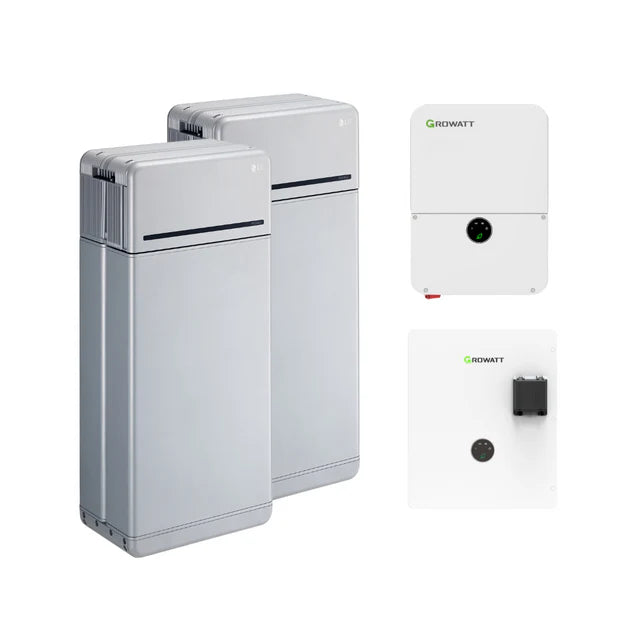
Whether you’re outfitting a home or a commercial space, the right storage system matters more than the financing structure wrapped around it. The LG 16H Prime 16kWh Battery Bundle with Growatt Grid-Tie Inverter covers whole-home backup for most residential setups.
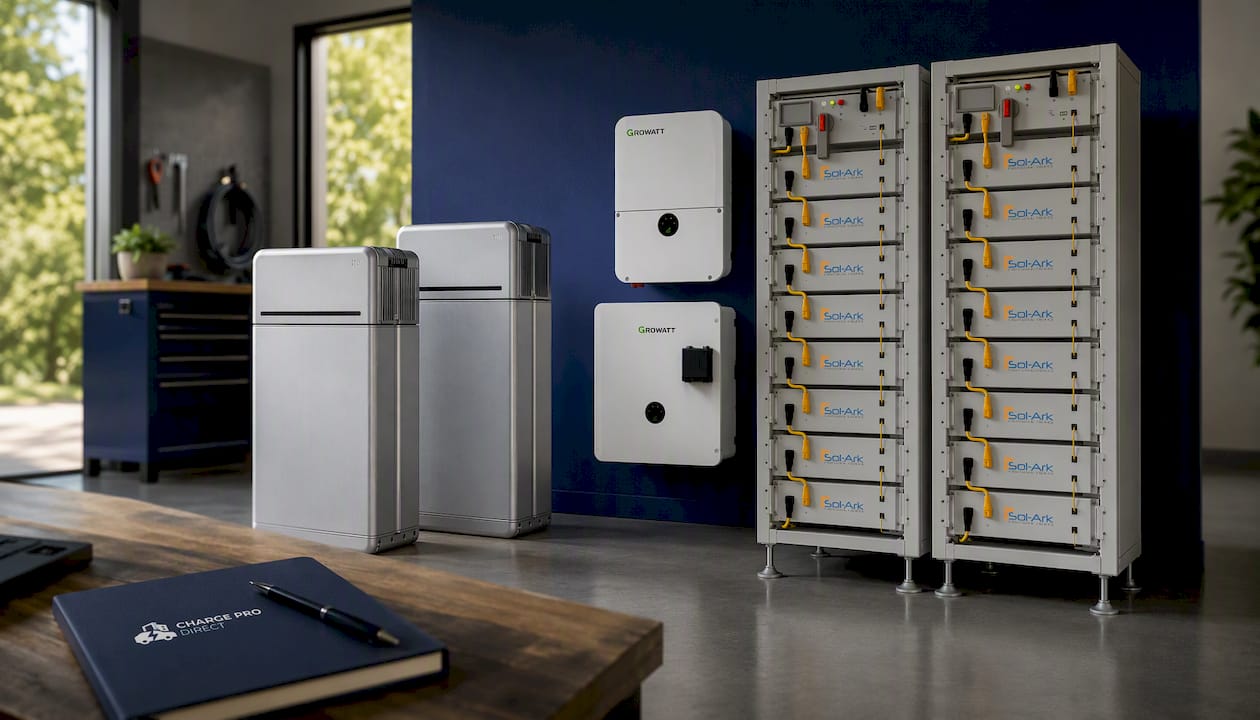
Small business and commercial customers have two paths sized for heavier loads: the Sol-Ark L3 HV-40KWH commercial storage system at 208V, and the Sol-Ark L3 HV-60KWH system at 480V for higher-capacity operations. Flexible payment plans are available at checkout. Reach out for a quote on the battery size that fits your needs.
Consult a tax professional for current tax rules, check Energy for financing and PACE guidance, and see the USDA REAP program page for rural and small business funding. The CFPB’s solar financing research covers dealer fees in detail. Always confirm your state’s specific PACE and third-party ownership rules before signing.
Some installers advertise 0% promotional financing, but that rate is often built by adding a larger dealer fee into the loan principal, which raises your total cost even without visible interest. Always ask what fee is financed before assuming a 0% offer is free money.
Rates vary by lender, credit profile, and whether the loan is secured or unsecured, with secured options like HELOCs typically running lower than unsecured solar loans. Get quotes from at least two sources and compare the full APR, not just the headline rate, since financed fees change the real cost.
Qualification depends mostly on credit score and income, and unsecured loans tend to have more flexible requirements than secured products tied to home equity. Purpose-built battery loans and installer point-of-sale financing often have faster, simpler approval than a traditional HELOC.